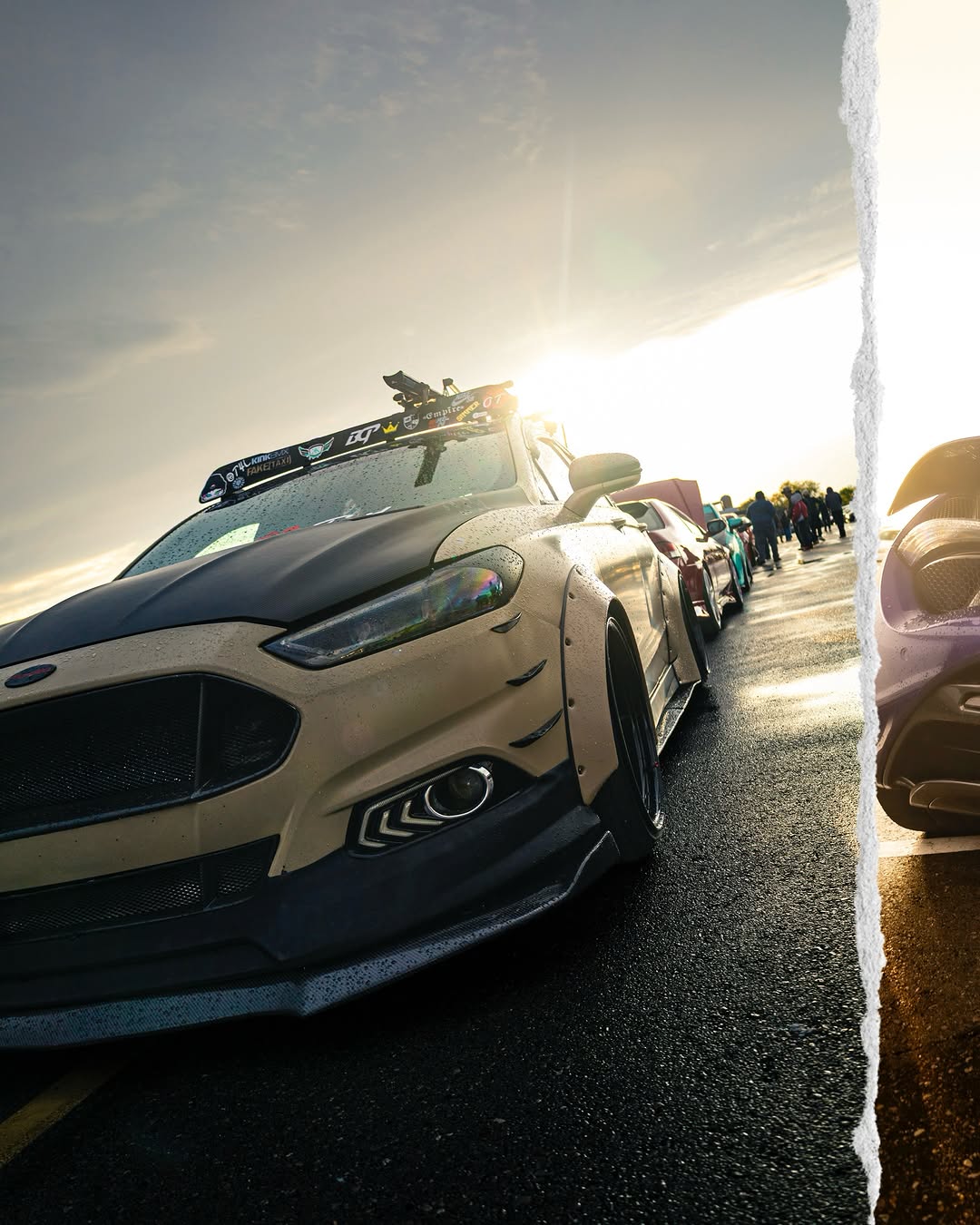
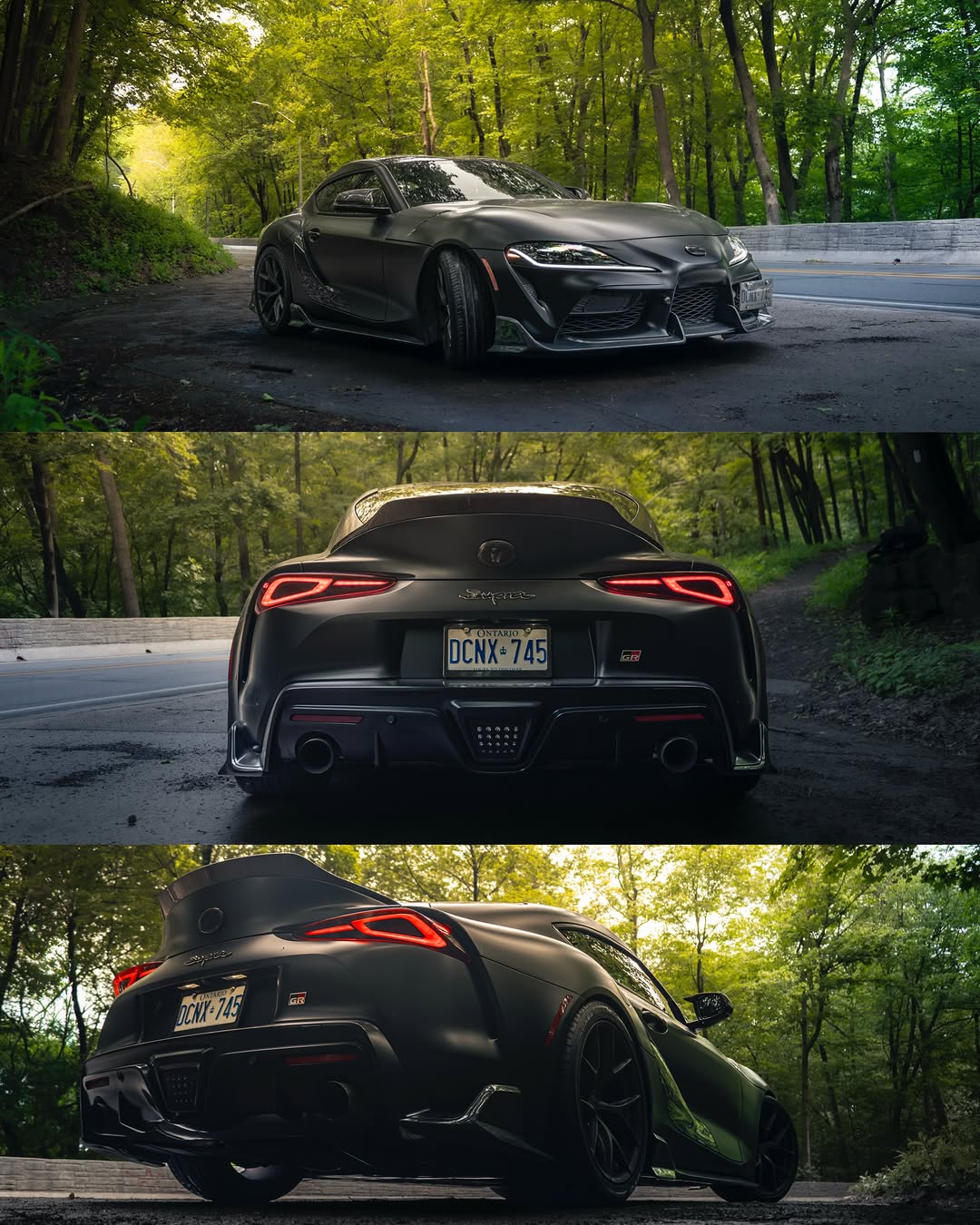
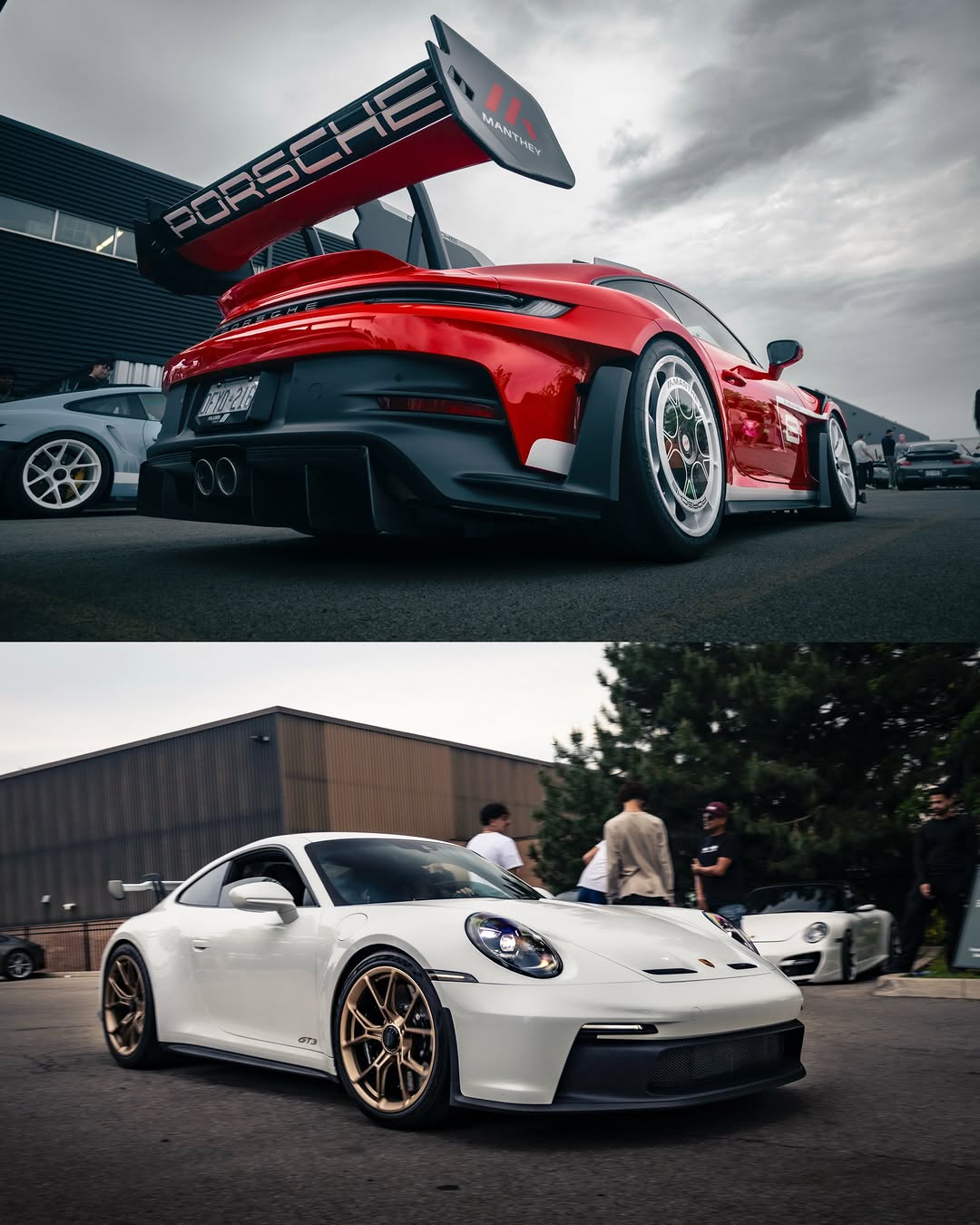
5 Common Mistakes Car Owners Make During Automotive Photography in Ontario, Canada
When you have poured months, or even years, into perfecting your build, the last thing you want is for the final results to fall flat due to simple planning errors. At Price Lewis Media, we have spent countless hours behind the lens capturing the heartbeat of the local car scene, and we see the same hurdles repeatedly. Achieving professional Automotive Photography in Ontario, Canada requires more than just a decent camera; it demands an understanding of our unique light, terrain, and weather conditions. If you are preparing to showcase your vehicle, here are the most common mistakes we see and how you can avoid them.
## 1. Ignoring the Influence of Ontario Light
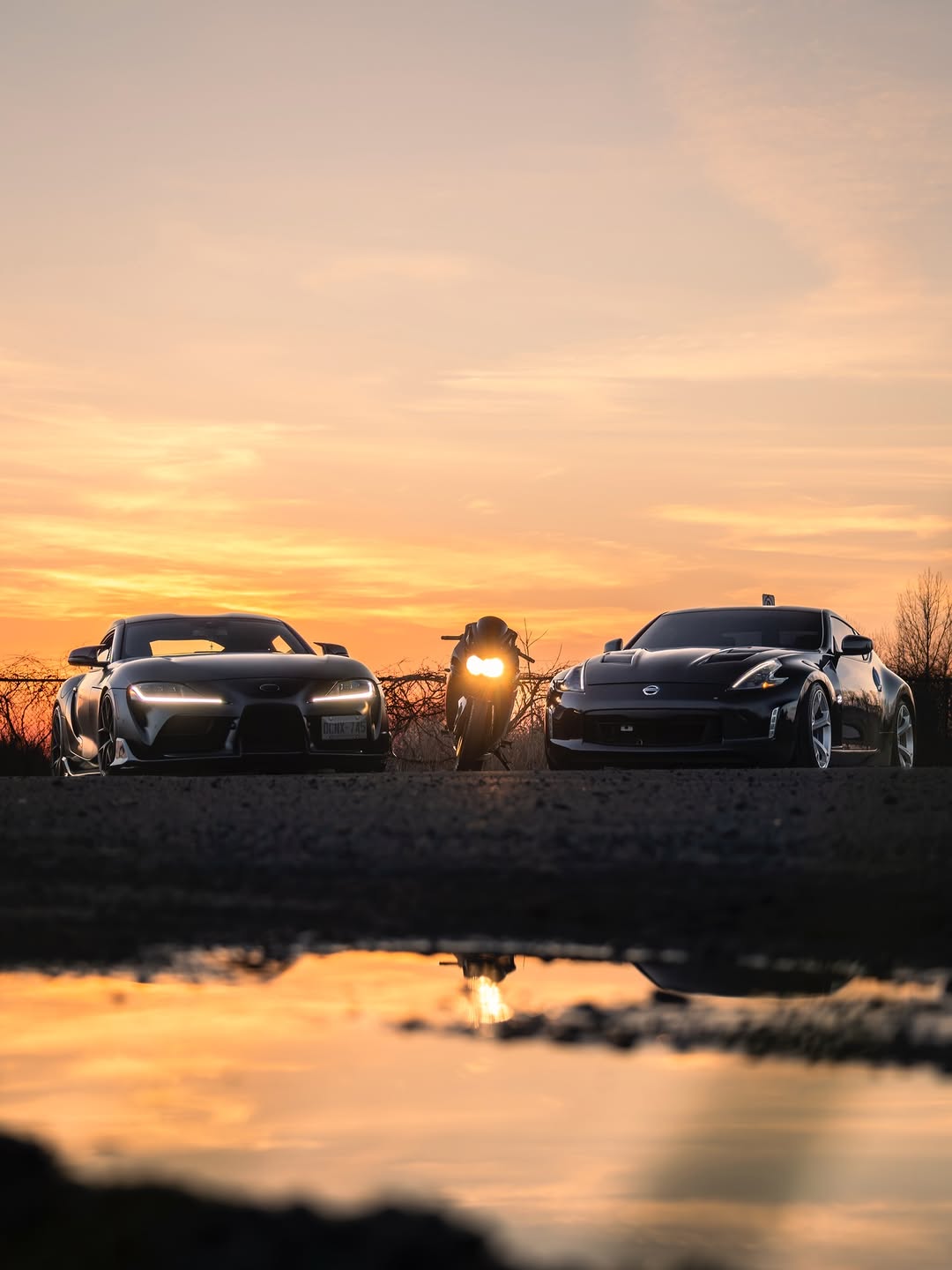
Many owners book sessions based purely on their own schedule, without considering how the sun behaves in our region. In Ontario, the light quality shifts dramatically between the humid, golden summers and the harsh, bright glare of winter snow reflection. A major mistake is scheduling a shoot at high noon. The overhead sun creates deep shadows under the wheel wells and creates unattractive hot spots on your paint. We always suggest shooting during the "blue hour" or the final hour before sunset. This timing provides a soft, wrapping light that highlights the body lines of your car rather than washing them out.
## 2. Choosing the Wrong Backdrop for Your Build
Ontario offers everything from gritty, industrial warehouses in Hamilton to the vast, open horizons of the countryside. A common error is selecting a location that clashes with the theme of the car. If you have a vintage restoration, placing it in front of a neon-lit modern office complex often distracts the viewer. Conversely, a track-focused drift car looks out of place in a serene, manicured park. We advise our clients to choose a setting that complements the vehicle's history and design. Think about the story you want the image to tell: are you highlighting raw power, mechanical precision, or classic elegance?
## 3. Overlooking Vehicle Preparation Details
It sounds obvious, but you would be surprised how many cars arrive for a shoot with minor cosmetic flaws that become glaringly apparent through a high-resolution lens. Dust in the door jambs, smudges on the glass, or uneven tire shine can be difficult to fix in post-production. Before your session, go over the vehicle with a microfiber cloth one last time. Ensure the interior is vacuumed and the wheels are completely clean. When we zoom in to capture the intricate details of your build, you want those close-ups to look perfect, not cluttered by avoidable debris.
## 4. Failing to Account for Ontario Weather Patterns
Our weather is famously unpredictable. A clear morning can turn into a gray, drizzly afternoon, especially near the Great Lakes. A mistake many owners make is having zero backup plan for poor weather. We recommend always keeping a secondary date in mind. Trying to force a shoot during a light drizzle might sound creative, but water spots on the paint and the risk of dirty road spray can ruin a session quickly. Work with your photographer to establish a communication protocol for weather-related rescheduling well in advance.
## 5. Over-Editing Your Images
With mobile apps making it easy to apply heavy filters, many car owners try to over-process their images before they ever reach a professional. When you want high-end automotive imagery, remember that subtlety is key. Excessive saturation or crushing the black levels often destroys the texture of your paint and hides the hard work you put into your vehicle's finish. A professional photographer understands how to balance contrast and color to make the car pop while maintaining a natural, authentic aesthetic. Trust the process and let the quality of the raw capture and professional editing speak for itself.
## Frequently Asked Questions
### How far in advance should I book my car shoot?
We recommend reaching out at least three to four weeks before your desired date. This allows us to scout locations and monitor long-range weather forecasts, which is critical for planning around Ontario's seasonal changes.
### Can you photograph my car at a track or private event?
Yes, we specialize in both custom studio-style shoots and high-action coverage. Whether you are participating in a drift event or a car show, we can capture the intensity and details of your experience on site.
### Do I need to be present during the editing process?
While you do not need to be present, we invite our clients to share their vision beforehand. We want to know which features of your vehicle you are most proud of so we can emphasize those in our final selection.
If you are ready to document your vehicle with the expertise it deserves, reach out to our team at Price Lewis Media. We understand the Ontario landscape and the passion that drives our local car community. Contact us today to discuss your vision and book your session.
The Anatomy of a Masterpiece: A 7-Phase Case Study of Custom Car Photography in Ontario's Microclimates
When documenting a bespoke automotive build in Ontario, you aren't just fighting the clock; you are negotiating with some of the most volatile atmospheric conditions in Eastern Canada. From the high-humidity haze rolling off Lake Ontario to the unforgiving glare of midday sun on the Niagara Escarpment, capturing the true depth of custom paintwork, custom fabrication, and complex body lines requires more than just a high-end camera. It demands an intimate understanding of local geography, seasonal light, and advanced optical physics.
At Price Lewis Media, we approach custom car shoots as an editorial science. This deep dive outlines how we executed a recent 7-phase custom project shoot, detailing the technical hurdles presented by Ontario's unique environments and how we overcame them to deliver gallery-grade results.
## Overcoming the Unique Environmental Pressures of Ontario's Landscapes
Ontario’s climate introduces unique variables that can easily ruin an automotive shoot if not anticipated. Photographers working in the Greater Toronto Area (GTA) and surrounding regions must contend with three major environmental pain points:
* **The Great Lakes Humidity Veil:** During the spring and summer months, moisture evaporating from Lake Ontario creates a heavy atmospheric haze. This haze acts as a massive, unpredictable softbox that desaturates paint colors and softens the sharp reflections necessary to define a vehicle’s body lines.
* **The Paint Protection Film (PPF) Dilemma:** A vast majority of high-end custom builds in Ontario are wrapped in PPF or protected by advanced ceramic coatings. Under intense sun or overcast skies, these layers can cause severe light polarization, resulting in an unnatural "rainbowing" effect or flat, plastic-looking surfaces in photos.
* **Thermal Engine Blooming:** When shooting high-performance vehicles on cool Ontario autumn mornings, heat radiating from the engine bay or exhaust system creates thermal distortion (heat haze). This can distort close-up detail shots of carbon fiber wings, custom exhaust tips, and rear body panels if the vehicle is not cooled down or positioned strategically relative to the wind.
## Inside the 7-Phase Project: Chronology of a Custom Build Shoot
To showcase the vehicle's design language, we developed a meticulous 7-phase shooting blueprint. This sequence reflects the seven distinct project photos we captured to document the build from every angle, adapting to shifting light and environmental challenges throughout the day.
### Phase 1: The Ambient Baseline (Studio Prep & Detail)
Before taking the vehicle into the unpredictable elements, we initiated the shoot in a controlled detailing bay in Mississauga. This step is crucial for establishing the baseline quality of the paint correction. Utilizing a single overhead LED strip light, we mapped the vehicle’s profile, ensuring the ceramic coat's true gloss level was documented without ambient light interference.
### Phase 2: Industrial Contrast in Hamilton’s Steel Sectors
For the first outdoor sequence, we moved the vehicle to the industrial backdrops of Hamilton. The gritty, high-contrast textures of rusted steel and concrete provided the perfect structural counterpoint to the car’s smooth, custom liquid-metal wrap. To combat the harsh midday sun reflecting off the metal surfaces, we utilized a massive 8x8-foot diffusion scrim to soften the shadows falling on the vehicle’s side profile.
### Phase 3: The Physics of Motion on the Forks of the Credit
Capturing dynamic rolling shots requires a road with sweeping curves and natural elevation changes. The Forks of the Credit in Caledon offered the ideal geography, but the dense tree canopy created rapid transitions between deep shade and bright sunlight. We solved this by setting our shutter speed to 1/30th of a second and using a variable neutral density (ND) filter to maintain a wide-open aperture, preserving a buttery-smooth background blur despite the constantly shifting light levels.
### Phase 4: High-Humidity Golden Hour on the Niagara Escarpment
As we transitioned to late afternoon, we positioned the vehicle along the Niagara Escarpment. The high-humidity haze off the lake was peaking, threatening to wash out the deep metallic flake of the paint. By employing a circular polarizing filter (CPL) tuned specifically to cancel out the sky's reflection on the hood, we cut through the atmospheric haze, allowing the rich, warm golden hour tones to saturate the vehicle's body lines naturally.
### Phase 5: Isolating Bespoke Engineering (The Macro Details)
With the sun dipping below the horizon, we turned our focus to the car's fine details. This phase focused on custom forged wheels, carbon-ceramic brakes, and exposed carbon-fiber weave. Because carbon fiber is highly reflective, we used a handheld, diffracted LED wand to paint the surfaces with light, ensuring the weave pattern was crisp and free of distracting hot spots.
### Phase 6: Inside the Cockpit (High-Dynamic-Range Interior Balance)
Shooting a car interior is a study in managing extreme dynamic range. The dark alcantara and leather cabin contrast sharply with the bright exterior world visible through the windows. To resolve this, we captured bracketed exposures—one for the deep footwells and custom stitching, and another for the scenery outside the glass—seamlessly blending them in post-production to match the human eye’s natural perception.
### Phase 7: The Twilight Light-Paint in Halton Hills
We concluded the shoot in a secluded clearing in Halton Hills during the blue hour. As the ambient temperature dropped, we locked the camera down on a heavy-duty carbon fiber tripod. Over a 30-second exposure, we manually "painted" the vehicle with a handheld light wand, highlighting the custom aerodynamic splitters and widebody fenders. This final, dramatic image serves as the crown jewel of the project portfolio.
## Localized Technical Solutions: Defeating Glare and Refraction
To ensure our Custom Car Shoots in Ontario yield unmatched clarity, we employ specific technical workflows tailored to our region:
* **Dual-Axis Polarization:** To defeat the "rainbowing" effect on PPF-wrapped cars, we stack a linear polarizer with a circular polarizer. This allows us to fine-tune the exact angle of light rejection, cutting through glare without stripping away the rich color depth of the custom paint underneath.
* **Atmospheric Haze Calibration:** We utilize custom color profiles in-camera that are calibrated specifically for the blue-shifted light common near the Great Lakes. This prevents the images from looking overly cold or washed out before they even reach the editing bay.
## Frequently Asked Questions About Custom Car Shoots in Ontario
### How do you protect the vehicle's paint during shoots on public Ontario roads?
We prioritize your vehicle's safety above all. Transition zones, gravel driveways, and construction areas are navigated at crawling speeds. We also carry specialized microfibers and quick-detailer spray to remove any road dust or bug splatter that accumulates during transit between shooting locations.
### What is the best season for an outdoor automotive shoot in the GTA?
Late spring (mid-May to June) and mid-autumn (late September to October) offer the best shooting conditions. During these windows, the air is crisp, which minimizes atmospheric haze, and the sun sits lower in the sky, providing longer periods of soft, flattering light.
### How do you handle shoots if the weather suddenly changes?
Ontario weather can be highly unpredictable. We monitor real-time radar closely. If a sudden rainstorm occurs, we pivot to industrial underpasses, covered architectural structures, or dry studio bays to keep the shoot moving forward without compromising on quality.
## Capture Your Build with Price Lewis Media
Your vehicle is more than just a machine; it is a manifestation of your passion, engineering, and personal style. Don't let amateur photography flatten the lines and details you have spent countles hours perfecting. At Price Lewis Media, we possess the technical expertise, local knowledge, and creative drive to deliver a visual legacy worthy of your custom build.
Ready to book your Custom Car Shoot in Ontario? Contact Price Lewis Media today to discuss your project and secure your session.
5 Photography Pitfalls Owners Make When Planning Automotive Photography in Ontario, Canada
When you invest months of sweat equity into your build, you deserve more than just a quick smartphone snap in a dark driveway. We have spent years perfecting our craft in Automotive Photography Ontario, Canada, and we have noticed that even the most meticulous car enthusiasts often stumble over the same hurdles when trying to capture their vehicle’s true character. Whether you are dealing with the harsh glare of an Ontario summer afternoon or the muted, grey tones of a late autumn day, getting the visuals right requires more than just a camera. It requires an understanding of how our local light interacts with chrome, paint, and carbon fiber.
## 1. Underestimating the Impact of Lighting and Seasonality
Many owners assume that a bright, sunny day is ideal for a shoot. In reality, direct overhead sun creates harsh, unattractive highlights and deep, messy shadows on your vehicle’s body lines. In Ontario, the sun angle changes drastically throughout the year. We often advise clients to work around the 'golden hour' or seek out overcast days where the clouds act as a natural diffuser. Trying to shoot a black car under the mid-day sun in July rarely yields the depth and metallic flake representation you actually want.
## 2. Choosing the Wrong Backdrop for the Car's Personality
Your setting should tell a story that matches the car. A pristine show car looks out of place in a dusty industrial lot, just as a track-focused drift machine loses its edge in a sterile corporate park. Think about the environment. If you are in the Greater Toronto Area, the contrast between modern glass architecture and a vintage restoration can be stunning. Conversely, if you are capturing a rally-ready machine, you need a location that offers texture—gravel, grit, and greenery—that complements the purpose of the build. Never pick a location just because it is convenient; pick it because it enhances the narrative of the machine.
## 3. Ignoring the Importance of Professional Detailing Before the Shoot
Camera sensors are unforgiving. They see dust, water spots, and fingerprints that the human eye glosses over. Many clients show up to a session thinking a quick run through a gas station car wash will suffice. This is a mistake. Professional photography requires a deep detail. If your paint has swirl marks or your interior glass has streaks, those flaws will be magnified in the final high-resolution images. Spend the time to properly prep the vehicle or bring a detailer to the site if necessary.
## 4. Failing to Communicate Your Vision
We have seen countless shoots go sideways because the photographer and the owner had different goals. Some owners want a portfolio of static, artistic shots, while others want action-oriented frames that show the car in its natural element. Before you ever pull onto the location, be clear about what you need. Are you looking for wide-angle shots that emphasize the stance? Do you need macro details of the engine bay or interior stitching? When you know what you are looking for, we can plan the equipment, the angles, and the timing to ensure we hit every requirement.
## 5. Overlooking the Need for Planning and Logistics
Ontario weather is famously unpredictable. A beautiful morning can quickly turn into a wet, windy afternoon. We always suggest having a backup date or a contingency plan for inclement weather. Furthermore, if you are looking to shoot at a specific track or private property, do not wait until the last minute to secure permission. Trespassing or getting kicked off a site during a shoot kills the momentum and ruins your chance at getting those perfect frames. Always verify access and scout your location at least a few days prior.
## Frequently Asked Questions
### How long does a professional automotive photo shoot usually last?
Most professional shoots require between three to five hours. This duration accounts for light adjustments, repositioning the vehicle for different angles, and making necessary aesthetic tweaks to the environment.
### Can you shoot my car during the winter months in Ontario?
Yes, winter can provide a unique, moody aesthetic, though it requires specific planning to keep the car clean and the equipment functioning in cold temperatures. We take extra care to manage battery life and lens fogging when working in lower temperatures.
### Do I need to be present during the photography session?
We highly recommend that the owner is present. Your input is valuable for ensuring the specific features of your build that you are most proud of are prioritized during the session.
### How should I prepare my car for a professional photography session?
Focus on a deep, thorough clean of both the exterior and interior. Pay close attention to tire dressing, window clarity, and ensuring the engine bay is free of debris, as these details become highly visible in professional, high-resolution imagery.
Ready to capture your vehicle with the precision it deserves? Whether you are looking for a studio-style aesthetic or action-packed shots on the track, our team at Price Lewis Media is here to help. Reach out to us today to discuss your vision and book your session in Ontario, Canada.
5 Common Mistakes Car Enthusiasts Make with Automotive Photography Ontario, Canada
When you invest your time, money, and passion into building a vehicle, you deserve visual documentation that matches that dedication. At Price Lewis Media, we have spent years refining our craft in Automotive Photography Ontario, Canada, and we have seen exactly what separates a mediocre snapshot from a portfolio-grade image. Many owners approach a shoot without considering the unique environmental variables of our region, often leading to results that fail to capture the soul of the machine. Whether you are prepping for a show or just want a permanent record of your build, avoiding these common missteps will ensure your session is productive and the results are stunning.
## 1. Ignoring the Influence of Ontario's Changing Light
The most frequent error we encounter is selecting a time of day that fights against, rather than works with, the natural light. In Ontario, the sun angle shifts dramatically between our long summer evenings and our short winter afternoons. Shooting at high noon on a clear day creates harsh, unattractive shadows that hide the body lines of your car. Instead, we advocate for the golden hour, which provides a soft, directional glow that highlights paint textures and metallic flakes. We work with our clients to schedule shoots around these specific windows, ensuring we catch the light when it is most forgiving and artistic.
## 2. Choosing a Background That Clutters the Frame
Your car should be the hero, not the background. A common mistake is selecting a location just because it is popular or nearby, regardless of whether the surroundings distract from the vehicle. Busy parking lots with distracting signage or cluttered industrial yards draw the eye away from your car’s design. We prefer locations that provide a sense of place without competing for attention. Whether it is the quiet, rugged landscapes of rural Ontario or a clean, minimalist urban architecture setting, the background should act as a frame that pushes the viewer's focus directly toward the automotive engineering in front of the lens.
## 3. Forgetting Proper Vehicle Preparation
Preparation goes beyond a quick rinse at a coin-operated car wash. Many enthusiasts underestimate how much a camera lens picks up. Micro-scratches, dust on interior glass, and unconditioned tires show up clearly under professional lighting. Before a shoot, we always advise a deep clean that includes the wheels, wells, and door jambs. If your car is featured in a professional gallery, you want those details to shine. Taking the time to detail the vehicle properly creates a significant difference in the final image quality.
## 4. Failing to Communicate Your Vision
Photography is a collaborative effort. We often work with clients who have a specific story they want their car to tell—perhaps it is the nostalgia of a classic restoration or the aggressive engineering of a track-built drift car. If you do not communicate these goals, the images might look technically perfect but lack the character you desire. We encourage you to share your ideas, discuss specific angles you love, and explain why you built the car the way you did. This dialogue allows us to tailor our technique, lens choice, and composition to align with your expectations.
## 5. Overlooking the Weather Patterns
Ontario weather is notoriously unpredictable. Planning a shoot for a sunny weekend in the fall can quickly go sideways if you do not have a contingency plan for heavy cloud cover, wind, or rain. While rain can provide a moody, reflective aesthetic, it requires different equipment and preparation than a clear day. We recommend that clients remain flexible. We check local forecasts closely and work to reschedule if the conditions will compromise the safety of the vehicle or the quality of the desired aesthetic output.
## Frequently Asked Questions
### How should I prepare my car for a professional photography session?
Focus on a deep clean of both the exterior and the interior. Pay special attention to tire dressing, glass clarity, and removing any personal clutter from the cabin, as professional cameras pick up details that are often overlooked by the naked eye.
### Can you photograph my car at a specific location of my choice?
Yes, we collaborate with our clients to find locations that suit their vision. We assess potential sites based on lighting quality, accessibility, and how well the environment complements the specific aesthetic of your vehicle.
### How long does a standard custom car shoot take?
Typically, a comprehensive shoot takes between two to four hours. This duration allows us enough time to manage light changes, move the vehicle for different angles, and ensure we capture all the necessary detail shots without rushing the creative process.
### What happens if the weather in Ontario turns bad on our scheduled day?
We monitor local weather patterns closely leading up to our session. If conditions are unfavorable, we will reach out to discuss rescheduling for a day that ensures the safety of your vehicle and the high-quality results you expect.
If you are ready to document your vehicle with the care it deserves, reach out to the team at Price Lewis Media. We are passionate about Automotive Photography in Ontario, Canada, and we would love to help you tell your car's story through our lens. Contact us today to start planning your custom session.
5 Expert Strategies for Planning Your Custom Car Shoots Ontario, Canada
When you invest in your vehicle, you aren't just buying parts or paint; you are curating a piece of your own history. At Price Lewis Media, we understand that planning Custom Car Shoots Ontario, Canada requires a deep appreciation for the unique light and landscape our province provides. Whether you have spent months under the hood or years scouring for rare trim pieces, our mission is to ensure those details are immortalized through professional photography that reflects your passion. Creating a high-quality visual representation of your car is a collaborative process that relies on careful timing and technical precision. Here are our top five tips for getting the best result for your automotive investment.
## 1. Respect the Ontario Light Cycles
Ontario weather is notoriously unpredictable, but the light is our greatest tool. We always advise clients to avoid the harsh, high-noon sun that creates flat, uninteresting reflections on metallic paint. Instead, we favor the golden hour—the short window just after sunrise or before sunset. In the summer, this provides a soft, warm glow that accentuates body lines, while in the autumn, the low-angle light cuts through the changing foliage to provide a rich, moody backdrop. Planning your shoot around these natural cycles is the difference between a snapshot and a gallery-quality image.
## 2. Scout Locations That Complement Your Build
Your car’s aesthetic should dictate the environment. If you have a vintage muscle car, we might look for an industrial brick backdrop in Toronto or a classic rural setting that feels timeless. For a modern, track-focused machine, we prefer concrete textures or clean, minimalist architectural lines. Ontario offers a diverse range of environments, from the gritty urban alleyways to the vast, open spaces of the countryside. Avoid clutter; pick a location that keeps the focus entirely on the vehicle's unique design features rather than distracting signs or busy pedestrian traffic.
## 3. Prioritize Detailing Before the Shoot
Camera sensors are incredibly unforgiving. Dust, water spots, and tire grime are magnified in high-resolution photography. We always suggest a full professional detail within 24 hours of our session. This includes cleaning the wheel wells, dressing the tires, and wiping down all glass surfaces. If your car has leather or carbon fiber trim, ensure these are conditioned so they don't look dull under our lights. A car that is prepared for a show is the only car that is ready for a professional lens.
## 4. Master the Art of Minimalism
One of the biggest mistakes we see is owners trying to include too many props. A custom car shoot should highlight the engineering and the aesthetic of the build. Adding banners, flags, or crowded staging areas often pulls the eye away from the car itself. Our team focuses on isolating the subject. By using depth of field and carefully planned angles, we draw the viewer into the curves of your fenders or the complexity of your engine bay. Simplicity creates a more powerful and enduring image.
## 5. Communicate Your Personal Vision
Every car build has a story. Some are about raw performance, while others are about restoration and classic elegance. Before we arrive on site, talk to us about what you love most about your vehicle. Do you want to highlight the aggressive stance of your lowered suspension? Are you proud of the custom stitching in the interior? When you share these specific details, our team can adjust our gear and lighting setups to emphasize the very elements that matter most to you as the owner.
## Frequently Asked Questions
### What time of year is best for car photography in Ontario?
Late spring and early autumn are generally the best times due to the moderate temperatures and lower sun angle. Summer is also great, though we have to start very early or finish late to avoid the harsh midday heat and glare. We try to avoid late winter due to the road salt and grime that can affect the appearance of your vehicle.
### Should I bring a cleaning kit to the shoot location?
Yes, it is highly recommended to have a small bag with quick-detailer spray and clean microfiber cloths. Even with a pre-shoot wash, dust can settle on the car during the drive to the location, and a quick wipe-down just before we begin ensures your finish looks perfect.
### How long does a typical custom car shoot take?
Depending on the number of locations and the complexity of the lighting setup, you should expect to spend between two to four hours with us. We take our time to move the car, adjust our reflectors, and ensure we capture the vehicle from every necessary angle to tell a complete visual story.
Ready to capture your build in its best light? Reach out to Price Lewis Media today. We are passionate about helping enthusiasts in Ontario, Canada, preserve the legacy of their vehicles with professional, high-impact photography. Contact us to discuss your vision and book your session.
The Technical Blueprint for Flawless Hybrid Corporate Event Photography in Ontario
Planning a major corporate event, summit, or gala in Ontario means preparing for architectural diversity and rapid environmental shifts. From the sprawling, sun-drenched terraces of Niagara-on-the-Lake to the historic, dark brick-and-beam event spaces in Toronto’s Distillery District, event planners face a massive technical challenge: how to capture cohesive, high-end visual assets when your venue constantly changes its lighting, temperature, and spatial dynamics.
When you hire a professional photographer, you aren't just paying for someone to point a camera and press a shutter; you are hiring an optical engineer who can adapt to these challenges in real time. Below, we break down a recent real-world case study of a hybrid corporate summit executed by Price Lewis Media, demonstrating the exact technical problem-solving required to deliver flawless event coverage in Ontario’s most challenging venues.
## The 7-Step Visual Narrative: A Hybrid Corporate Summit Case Study
To illustrate how a cohesive event gallery is built across wildly different environments, let’s look at the seven core visual components of a high-end corporate retreat we recently captured, detailing the specific technical solutions applied to each phase.
* **The Golden Hour Arrival (Project Photo 1):** Capturing attendees arriving at an outdoor estate. *The Technical Challenge:* Balancing the brilliant, low-angle Ontario autumn sunset without silhouetting the guests or overexposing the historic building in the background. *The Solution:* We utilized high-speed sync (HSS) off-camera fill flash matched to the ambient color temperature (around 3200K) to keep skin tones warm while preserving the vibrant sky.
* **The Midday Outdoor Panel Discussion (Project Photo 2):** High-noon sun casting harsh, unflattering shadows under guests’ eyes and noses. *The Solution:* Utilizing large diffuser scrims overhead and multi-angle fill flash to soften contrast, ensuring every speaker looks sharp, professional, and approachable.
* **The Networking Mix (Project Photo 3):** Capture of candid interactions on a lakeside patio. *The Solution:* Using prime telephoto lenses (85mm and 135mm) wide open at f/2.0 to compress the background, isolating the subjects and rendering busy backgrounds into smooth, non-distracting bokeh that keeps the focus entirely on human connection.
* **The Keynote Presentation Transition (Project Photo 4):** Moving indoors to a historic limestone and timber hall. *The Solution:* Quickly adapting camera profiles from natural light to a mixed-source environment containing both warm tungsten chandeliers and cool LED stage washes, utilizing custom white balance Kelvin settings to prevent muddy skin tones.
* **The Awards Spotlight (Project Photo 5):** High-contrast stage lighting where the recipient is heavily illuminated but the audience is in near-total darkness. *The Solution:* Deploying cameras with high dynamic range sensors, exposing strictly for the highlights on stage while relying on raw shadow recovery to gently pull details out of the clapping crowd.
* **The VIP Indoor Reception (Project Photo 6):** A low-light cocktail hour in a venue with 30-foot dark pine ceilings that prevent traditional "bounce" flash. *The Solution:* Erecting discrete, wireless light stands equipped with grid-restricted speedlights to cast targeted, soft key lights directly onto guest clusters without spilling light across the entire room and destroying the venue's intimate ambiance.
* **The Outdoor Fireworks Send-Off (Project Photo 7):** A late-night outdoor celebration under pitch-black skies with sudden bursts of light. *The Solution:* Utilizing a rear-curtain flash sync on a sturdy tripod. This technique captures the sharp details of the attendees in the foreground via the instant flash pop, while leaving the shutter open long enough to paint the trailing light of the fireworks in the background.
## Overcoming Ontario's Unique Local Environmental & Architectural Challenges
Ontario event venues present specific localized challenges that demand deep technical foresight. Here is how we mitigate these risks to protect your brand’s visual assets.
### 1. Thermal Shock and Moisture Condensation
In Ontario, moving between late-autumn chill or winter frost into a highly heated indoor banquet hall causes instant condensation on optical glass. A lens covered in interior fog can ruin the first 20 minutes of an indoor keynote.
* **Our Solution:** We utilize sealed, weather-resistant camera bodies and lenses, employing dry-pack transport cases. We transition gear gradually, letting equipment acclimate to temperature changes inside staging zones before entering the main event floor, ensuring we are ready to shoot the second your guests step inside.
### 2. High-ISO Noise in Heritage Venues
Many of Ontario’s premier event venues—such as converted mills, historic fortresses, and brick-and-beam warehouses—feature dark wood ceilings and brick walls that absorb light. Bouncing a flash off these surfaces results in a highly unflattering orange-brown color cast on your guests.
* **Our Solution:** We shoot on dual-native ISO camera bodies capable of shooting at clean ISO levels up to 6400 or 12800 without introducing digital noise. We combine this with fast f/1.2 to f/2.8 prime lenses to capture the authentic, warm atmosphere of the venue without relying on harsh, direct on-camera flash.
## Frequently Asked Questions from Ontario Event Planners
### How do you handle flash photography without disrupting the flow or ambiance of our presentation?
We minimize visual disruption by using off-camera flashes placed strategically in the corners of the room, triggered wirelessly. These lights are equipped with modifiers (like grids or snoots) that narrow the beam of light so it only illuminates the intended subjects, rather than flashing the entire room and distracting your speakers or audience. For highly sensitive moments, we utilize completely silent electronic shutters.
### Our venue has mixed lighting (incandescent overheads, LED stage lights, and natural light from large windows). How do you keep our brand colors accurate?
Mixed lighting is the ultimate test of an event photographer's technical skill. We manually calibrate our cameras using custom white balance profiles for each specific zone of your venue. During post-production, we utilize advanced color-grading tools to selectively adjust the hue, saturation, and luminance of conflicting light sources, ensuring your corporate brand colors remain consistent across every single deliverable.
### What happens if the weather turns bad for our outdoor lakeside corporate event?
Ontario weather is notoriously unpredictable, especially during seasonal transitions. We always carry rain covers, hydrophobic lens coatings, and sealed gear. More importantly, we conduct pre-event walkthroughs with your team to establish secondary, indoor-equivalent shooting angles that mimic the depth and aesthetic of your primary outdoor plan, ensuring no drop in quality if you have to pivot to your rain contingency plan.
## Partner with Ontario's Technical Event Photography Experts
When hosting a high-stakes corporate summit, conference, or VIP gala, you cannot afford to leave your visual branding to chance. Price Lewis Media brings deep technical expertise, high-end equipment, and localized experience to navigate the unique architectural and environmental demands of Ontario's premier venues.
Ensure your next event is captured with the precision, clarity, and professionalism your brand deserves. Contact **Price Lewis Media** today to discuss your upcoming Ontario event and secure your booking.
Your Guide to Custom Car Shoots Ontario, Canada: From Concept to Final Print
When you have spent years wrenching in your garage or carefully curating every modification, the idea of settling for a grainy smartphone photo simply does not sit right. At Price Lewis Media, we specialize in Custom Car Shoots Ontario, Canada, helping local enthusiasts document the soul of their machines before the salt and grit of another long winter take their toll. Our team understands that your vehicle is more than just transportation; it is a mechanical extension of your personality. Whether you are aiming for a moody industrial look or a sunset aesthetic across the rolling hills of the province, our process is designed to honor the craftsmanship under your hood.
## Planning Your Session: How to Prepare Your Vehicle
Many of our clients worry that their car needs to be fresh off the assembly line to be worthy of a professional session. In reality, the best images capture character, including the subtle patina of a well-driven engine bay or the unique stance of a track-ready setup. To get the best results, focus on the details that matter most to you. Ensure your interior is vacuumed and the glass is streak-free, as high-resolution lenses will pick up even the smallest smudge. If you have specific modifications you want to highlight, let us know beforehand so we can map out our lighting angles.
## Choosing the Right Location in Ontario
Ontario offers a wide range of backdrops, but environmental factors dictate when and where we should shoot.
* Urban Grime: The industrial sectors of Toronto or Hamilton provide a sharp, gritty contrast that makes bright paint jobs pop.
* Rural Landscapes: The winding roads through the Niagara region or the quiet backlanes of cottage country offer soft, natural light that works beautifully during the golden hour.
* Seasonal Reality: We always recommend scheduling around our unpredictable weather. Spring brings heavy rain, and late autumn brings early darkness, so we often aim for early summer evenings when the light lingers, or crisp, dry September mornings.
## Understanding Our Creative Process
We do not believe in cookie-cutter photography. Every car has a set of body lines that react differently to light. We spend time scouting the physical location to understand how shadows will fall across your fenders and hood. We prioritize the geometry of your build, using controlled exposure to ensure that the depth of your paint—whether it is a matte wrap or a classic gloss finish—retains its texture and richness in the final edit.
## Frequently Asked Questions
### How far in advance should I book my Custom Car Shoot in Ontario?
We recommend booking at least three to four weeks in advance, especially during the peak summer driving season from June through September. This allows us to monitor local weather patterns and select the best possible date to avoid Ontario’s sudden storms.
### Can we include specific props or locations in the session?
Absolutely. We encourage you to bring items that represent your connection to the car, whether that is a vintage toolkit or specific racing gear. We are happy to discuss site-specific requests to ensure the location matches the aesthetic of your build.
### What happens if the weather turns bad on the day of the shoot?
Ontario weather is notoriously fickle. If we face rain or heavy wind that could jeopardize the session or the safety of your vehicle, we will work with you to reschedule at no additional cost. We prioritize your vehicle’s condition and our ability to get the perfect shot above all else.
If you are ready to document your vehicle with the professionalism it deserves, reach out to our team at Price Lewis Media. We invite you to contact us today to discuss your vision, pick a location that suits your style, and schedule your session in Ontario, Canada.
Capturing the Moment: An Expert Guide to Event Photography Ontario, Canada
When planning a large gathering, finding professional Event Photography Ontario, Canada is often the single most critical decision for preserving the atmosphere you worked so hard to build. At Price Lewis Media, we have spent years navigating the unique challenges of the local landscape, from the unpredictable shifts in daylight during our long winters to the vibrant energy of Ontario’s summer event season. Your event is a living, breathing entity, and our job is to interpret that energy into visual media that lasts long after the final guest leaves the venue.
## Understanding the Logistics of Local Venues
Ontario offers a massive range of venues, from rustic barns in the countryside to sleek, modern galleries in the heart of Toronto. Each space presents specific lighting hurdles. An indoor venue in February requires a completely different technical approach than an outdoor festival in August. We always recommend that organizers discuss the specific layout of their space with us well in advance. Whether your venue relies on natural light streaming through floor-to-ceiling windows or darker, mood-controlled lighting, our team adjusts our gear to ensure we catch the candid expressions and the grand scope of your event without needing to disrupt the flow of the room.
## Dealing with Ontario’s Seasonal Light
One of the most overlooked aspects of photography in this province is how drastically the light changes throughout the year. In the spring and fall, the 'golden hour' hits at different times, and cloud cover can be incredibly inconsistent. We do not rely on a one-size-fits-all camera setting. Instead, we read the environment as we arrive. If your event is outdoors, we keep a close eye on local weather patterns, ensuring we have the right modifiers to handle harsh midday sun or the soft, diffused light of an overcast Ontario day. Our goal is to make sure the color balance and mood of your images remain consistent from the start of your event to the finish, regardless of what the weather is doing outside.
## The Philosophy of Candid vs. Posed Photography
Many clients ask us how we strike the balance between posed shots and candid documentation. We believe the magic of an event lies in the moments in between the scheduled activities. While we certainly prioritize formal portraits when they are requested, our heart is in the candid captures—the genuine laughter of a guest or the focused expression of a speaker. We move through the crowd with intention, keeping a low profile so that attendees feel comfortable enough to act naturally. This approach provides you with a set of images that tell a true story rather than just a collection of static, staged snapshots.
## Preparing Your Venue for Professional Coverage
If you want the best possible results, consider how your venue’s environment impacts the visual outcome. Think about where your speakers or VIPs will be positioned. If you have the ability to influence the stage placement, aim to have the background look intentional. We can work with almost any space, but a little consideration regarding backdrops and light sources can make a significant difference in the final quality of your gallery. We are always happy to consult on these details during your planning phase to ensure everything aligns for the camera.
## Frequently Asked Questions
### How far in advance should we book event photography?
For most events in Ontario, we recommend reaching out at least three to six months in advance, especially for summer and holiday dates. High-demand weekends fill up quickly, and securing your date early allows us to participate in your planning process.
### How do you handle low-light conditions at evening events?
We utilize high-aperture lenses and sophisticated off-camera lighting techniques to maintain clarity without washing out the ambiance of your event. We prioritize preserving the original mood of the venue rather than overwhelming the space with harsh, direct flash.
### Will you work with our event planner to coordinate shots?
Absolutely. Coordination is key to a smooth experience, and we encourage open communication with your planning team. By aligning our shot list with your event itinerary, we ensure that every key highlight is captured without interfering with the program flow.
### Can you provide a mix of candid and staged imagery?
Yes, we specialize in a blend of both styles. We work with you to identify the must-have formal portraits while maintaining a documentary focus throughout the event to capture the authentic vibe of the crowd.
If you are planning an upcoming event and want to ensure every detail is documented with professional precision, we invite you to reach out to our team at Price Lewis Media. Based in Ontario, Canada, we are ready to discuss your vision and help you create a lasting visual legacy for your occasion. Contact us today to check our availability and start the conversation.
Automotive Photography Ontario, Canada: An Expert Guide to Preserving Your Vehicle's Legacy
When we talk about the soul of a vehicle, we are talking about more than just metal, paint, and horsepower. At Price Lewis Media, we have spent years refining our approach to Automotive Photography Ontario, Canada, helping enthusiasts capture the distinct character of their machines against the diverse backdrop of our provinces landscape. Whether you are looking to document a personal build or curate professional imagery for a brand, the difference between a snapshot and a statement piece lies in the details.
## How do weather conditions in Ontario affect the planning of a photoshoot?
Ontario weather is notoriously unpredictable, and it is the single most significant factor in how we approach a shoot. During the humid summers, we deal with harsh midday light that can wash out intricate details on glossy paint. We often plan around the 'golden hours' or look for overcast days, which act as a giant softbox, creating an even, flattering light across the body lines. In the autumn, we contend with rapidly changing foliage colors, which can either complement or clash with a car's color palette. Winter brings its own challenges, specifically regarding salt spray on roads and extreme cold affecting camera batteries. We advise our clients to remain flexible and prioritize the conditions that best highlight the texture of the vehicle rather than forcing a date on the calendar.
## What is the difference between a static shoot and a lifestyle automotive session?
A static shoot is centered entirely on the vehicle as the subject. We use controlled lighting, long exposures, and specific angles to show off design cues, interior stitching, and wheel fitment. This is about precision and polish. Conversely, a lifestyle automotive session involves context. This might mean capturing the car in motion, parked at a significant local venue, or showing the owner interacting with their machine. A lifestyle shoot tells a story about how the vehicle fits into your life. We work with our clients to decide if they want a studio-style clinical look or a gritty, environmental style that shows the car in its natural habitat.
## How can I prepare my car to ensure the best results on the day of the shoot?
Preparation is ninety percent of the work. Before our team arrives, the car should be professionally detailed, including the engine bay, door jams, and interior glass. Even a small smear on the windshield or a smudge on the hood will show up under professional lenses. Beyond the exterior, consider the 'story' of the car. If you have custom modifications, ensure they are clean and that the car is set to your preferred ride height. If we are doing a rolling shot, we also check that all lights are functioning perfectly, as a burnt-out bulb is difficult to fix in post-production.
## Does the location choice impact the aesthetic of the final images?
Location is just as important as the car itself. In Ontario, we have a wealth of options ranging from industrial urban warehouses in Toronto to quiet, winding backroads through the countryside. An industrial setting often suits aggressive, track-focused builds, while a clean, minimalist architectural background often suits high-end luxury or classic restorations. We collaborate with our clients to find a location that does not distract from the vehicle but instead frames it. We always consider legal access and ground conditions to ensure we can get the necessary angles without compromising the safety of the vehicle or our equipment.
## What kind of post-production work is involved in high-end automotive imagery?
Photography does not stop when the shutter clicks. Our editing process focuses on color grading, removing unwanted distractions from the background, and enhancing the subtle highlights on the car's body. We treat every image as a digital canvas. We avoid over-processing, aiming instead for a look that feels authentic to the car's presence. Whether we are adjusting the contrast to make metallic paint pop or ensuring the wheels look sharp while the background has a natural blur, our goal is to deliver a final image that honors the effort you have put into your vehicle.
## Frequently Asked Questions
### Do you provide the location for the shoot or do I need to choose it?
We work collaboratively with you to select a location. We have a list of verified spots across Ontario that work well for various car styles, but we are always open to suggestions if you have a specific venue in mind.
### How long does a typical automotive photography session last?
Depending on the scope, a session usually lasts between two and four hours. This allows us enough time to capture multiple angles, lighting setups, and minor adjustments without rushing the creative process.
### Do you offer event photography for car shows or track days?
Yes, we cover a wide range of automotive events throughout Ontario. We document the action, the atmosphere, and the community aspect of car shows and track gatherings with the same artistic focus as our private shoots.
If you are ready to document your vehicle or cover your next automotive event with a team that values precision and visual storytelling, reach out to Price Lewis Media today. We look forward to helping you translate your passion for cars into lasting, high-quality images.
5 Common Mistakes to Avoid When Planning Your Custom Car Shoots in Ontario, Canada
When you invest in Custom Car Shoots in Ontario, Canada, you are doing more than just documenting a vehicle; you are preserving the aesthetic identity of a project you have poured your time and resources into. After years behind the lens, our team at Price Lewis Media has observed the same hurdles that prevent car owners from getting the results they deserve. Whether you are prepping for a local meet or building a portfolio for a build feature, avoiding these common errors will ensure your final gallery is as striking as the machine itself.
## 1. Ignoring the Influence of Ontario’s Variable Lighting
Many clients treat lighting as an afterthought, hoping the camera will just sort it out. In Ontario, the quality of light changes drastically with the seasons. A high-noon sun in July creates harsh, unflattering shadows across body lines, while a golden hour shoot in late October offers a completely different, softer color palette. If you choose a location without considering the time of day, your vehicle’s paint and curves will lose their depth. We recommend scheduling shoots early in the morning or just before dusk. This timing respects the specific way our northern latitude light interacts with metallic and pearlescent finishes.
## 2. Neglecting the Integration of Environment and Vehicle
Some owners choose a location simply because it is nearby or free, without considering if the setting complements the car. A vintage muscle car often looks out of place in a modern, glass-fronted industrial park, just as a track-focused machine looks confused in a manicured suburban park. Your setting is a character in your story. When we plan our sessions, we look for textures—concrete, weathered brick, or open stretches of rural asphalt—that frame the vehicle’s specific style. Match your car’s persona to its surroundings to create a cohesive image.
## 3. Underestimating the Importance of Pre-Shoot Prep
There is no amount of post-production magic that can fix a layer of dust or a smudge on the windshield captured in raw, high-resolution detail. We have seen stunning builds diminished because the owner skipped a professional detailing session. Before we arrive, ensure your engine bay, interior, and wheels are spotless. If you are shooting outdoors, carry a microfiber cloth and quick-detail spray. The camera captures everything; the more effort you put into the prep, the less time you spend worrying about minor blemishes during the shoot.
## 4. Failing to Define Your Visual Goals
Do you want the images to look like a high-end magazine feature, or are you looking for moody, artistic shots that highlight specific mods? A lack of direction is a common trap. When you work with us, be prepared to discuss what parts of the car define it. Is it the aggressive stance, the custom interior stitching, or the way the exhaust exits? Having a clear goal allows us to focus our gear and compositions on those specific elements. Vague requests often lead to generic results. Tell us what makes your car special, and we will build the shots around those details.
## 5. Overlooking Weather and Accessibility Logistics
Ontario weather is notoriously unpredictable. A sudden downpour or high winds can derail a shoot in minutes. Furthermore, some of the most visually interesting locations have restricted access or require permits that are often ignored. When you plan your session, always have a secondary date in mind. Additionally, check if your chosen location is actually accessible by vehicle. Do not assume you can pull onto any private property or restricted industrial lot without prior permission. We prefer to handle these logistical details to ensure the session goes smoothly and stays within legal boundaries.
## Frequently Asked Questions
### How long does a typical custom car shoot last?
Most of our professional sessions last between two to four hours. This timeframe allows us to adjust to changing light conditions, move between locations, and capture a variety of angles without feeling rushed.
### Should I wash my car immediately before the shoot?
Yes, a thorough clean is essential. We recommend a full wash and interior detail the day before, followed by a light wipe-down at the location to remove any road debris picked up during the drive to our meeting point.
### Do you offer post-production editing for my images?
Yes, every shoot includes professional editing. We focus on color grading, removing minor distractions from the background, and enhancing the natural lines of the car to ensure the final images are ready for display or print.
### Can we shoot at multiple locations in one session?
We can absolutely move between locations, provided they are relatively close to each other. We prioritize quality over quantity, so we suggest selecting two distinct spots that offer different textures or lighting styles to keep the gallery diverse.
If you are ready to document your vehicle with a team that understands the local automotive scene, contact Price Lewis Media today. We look forward to helping you tell your car's story with the precision and creativity it deserves.
The Physics of the Perfect Drift Frame: How Price Lewis Media Captures High-Speed Action Across Ontario's Toughest Track Conditions
{
"title": "The Physics of the Perfect Drift Frame: How Price Lewis Media Captures High-Speed Action Across Ontario's Toughest Track Conditions",
"content": "Capturing drift and action motorsport photography is not a matter of simply standing by the track and pressing a shutter button. It is a highly calculated dance between machine physics, optical limits, and environmental unpredictability. At Ontario's premiere race tracks—from the tight, technical corners of Shannonville Motorsport Park to the high-speed sweeper at Toronto Motorsports Park (TMP) in Cayuga—the margins for capturing high-speed action are razor-thin. When a drift car initiates at 120 km/h, throwing a wall of vaporized tire smoke into the air, a photographer has less than a second to lock focus, compose the frame, and manage exposure.\n\nAt Price Lewis Media, we specialize in translating this chaotic energy into crisp, high-impact visual media. Achieving this level of quality requires a deep understanding of local microclimates, camera mechanics, and vehicle dynamics. Below, we break down a real-world application of how we plan, execute, and deliver elite action photography under challenging local track conditions.\n\n## Anatomy of a Seven-Frame Sequence: Capturing the Perfect Tandem Line\n\nTo understand what goes into a professional motorsport media package, it helps to analyze a recent project sequence. We executed a multi-frame capture during a high-stakes tandem drift run in Southern Ontario, demonstrating how we solve technical problems on the fly.\n\n* **Frame 1: The Initiation.** Taken just as the lead car flicks into the first corner. The camera is set to a wide angle to capture the transition, freezing the front wheels in lock while showing the initial puff of tire smoke escaping from the rear wheel arches.\n* **Frame 2: The Chase Car Entry.** As the chase car follows into the zone, the focus shifts to the micro-gap between the two bumpers. We utilize a rapid zone-autofocus system to prevent the camera from hunting or focusing on the expanding smoke plume instead of the vehicles.\n* **Frame 3: The Clipping Point.** The cars are at their maximum angle. Here, the challenge is maintaining the sensation of speed. Instead of freezing the action entirely at 1/2000s, we slow the shutter to 1/125s, panning smoothly to keep the driver's helmet tack-sharp while the track and background blur into a streak of pure speed.\n* **Frame 4: The Smoke Envelope.** By the mid-corner, tire smoke heavily envelopes both cars. This creates a massive challenge for traditional camera sensors, which struggle to find contrast in low-visibility environments. We manually override tracking points to lock onto high-contrast decals on the lead car's A-pillar.\n* **Frame 5: The Tandem Transition.** As the drivers quickly transition weight to swing the cars in the opposite direction, the lighting shifts drastically from side-lit to back-lit. Our cameras are set to manual exposure with a quick thumb-dial adjustment to compensate for the bright background, preventing the cars from becoming dark silhouettes.\n* **Frame 6: The Exit Line.** The cars power out of the corner, kicking up track debris and rubber \"clag.\" We position ourselves safely but low to the ground to emphasize the aggressive stance of the vehicles as they straighten out.\n* **Frame 7: The Aftermath.** A dramatic wide-angle shot capturing the lingering wall of smoke hanging over the Ontario asphalt, with the cars disappearing into the next sector—a perfect story-ending frame for a team sponsor portfolio.\n\n## Solving Ontario's Local Environmental & Track Challenges\n\nOntario's climate presents distinct physical challenges for track-side photography. Unlike dry, predictable desert tracks, Ontario tracks are subject to volatile lake-effect weather, high humidity, and extreme temperature swings. Here is how we adapt our technical approach to combat these local factors:\n\n### Great Lakes Humidity and Tire Smoke Density\nDue to our proximity to the Great Lakes, summer drift events in Ontario often experience humidity levels exceeding 80%. High humidity changes the physical behavior of tire smoke: it becomes heavier, denser, and lingers on the track much longer instead of dispersing quickly. \n\n* **The Technical Pain Point:** Heavy, lingering smoke can completely block out the chase car, leaving the photographer with nothing but a white frame. It can also confuse autofocus systems, causing them to lock onto the smoke particles rather than the car.\n* **Our Solution:** We position ourselves upwind based on real-time wind monitoring apps, utilizing circular polarizing filters (CPL) to cut through the atmospheric haze and glare, restoring rich color saturation to the car's paint and vinyl graphics even when shrouded in thick smoke.\n\n### Rapid Light Shifts at Shannonville and Cayuga\nAn afternoon at Toronto Motorsports Park can start with harsh, direct sunlight and end with sudden, dark cloud cover rolling off Lake Erie. Harsh sunlight creates dark, unsightly shadows in the wheel wells and cabin, hiding the driver's face and steering inputs.\n\n* **The Technical Pain Point:** Automatic exposure modes will overexpose the bright track or underexpose the dark, shadowed car panels.\n* **Our Solution:** We shoot exclusively in manual mode, utilizing high-dynamic-range raw files that allow us to pull detail out of deep shadows during post-production without adding noise. We also use lens hoods to prevent lens flare when shooting toward the late-afternoon sun.\n\n### Track Debris, Dust, and Equipment Wear\nOntario tracks can get incredibly dusty during dry spells. When drift cars drop tires into the dirt at the edge of the track, they throw up stones, sand, and hot tire rubber. This debris can damage camera glass and clog delicate autofocus motors.\n\n* **The Technical Pain Point:** Getting dynamic, low-angle shots puts the camera gear directly in the line of fire for flying debris.\n* **Our Solution:** We utilize weather-sealed camera bodies and professional L-series lenses protected by high-grade UV filters. We also employ remote camera triggers, allowing us to place cameras in high-risk, high-impact locations (like right next to an inner clipping point) while we trigger them safely from behind the spectator barrier.\n\n## Driver & Team Preparation: Getting the Most Out of Your Media Day\n\nIf you are an amateur or professional drift team booking a media day with Price Lewis Media, here are actionable tips to ensure your car looks phenomenal in every frame:\n\n* **Contrast is Key:** High-visibility graphics or brightly colored wheels (neon yellows, bright reds, whites) stand out beautifully against dark asphalt and white tire smoke. \n* **Windshield Prep:** Ensure your front and side glass are thoroughly cleaned inside and out. Glare from dusty glass makes it impossible to capture clear shots of the driver's hands and facial expressions.\n* **Coordinate Your Runs:** If you are running tandem, let your media team know your lead/chase strategy beforehand. This allows us to set up on the correct side of the track to capture the chase car's aggressive proximity.\n\n## Elevate Your Motorsport Brand with Price Lewis Media\n\nWhether you are a professional drift team looking to secure lucrative sponsorships with high-end media assets, or an event organizer wanting to capture the raw energy of your next track day, cheap smartphone snaps and generic angles will not suffice. You need a dedicated media team that understands the lines, the physics of drifting, and the complex technical requirements of high-speed action photography.\n\nPrice Lewis Media is Ontario’s premier choice for professional action and drift photography. We bring the gear, the technical expertise, and the track-side experience required to make your vehicles look as fast on screen as they are on the pavement.\n\nDon't let your hard work on the track go unrecorded. Contact Price Lewis Media today to book our specialized photography and videography services for your next track day, team feature, or regional event."
5 Common Mistakes When Booking Action & Drift Photography Ontario, Canada
When you have spent months building the perfect machine or organizing a local meet, capturing the results matters just as much as the build itself. At Price Lewis Media, we see many enthusiasts search for Action & Drift Photography Ontario, Canada, hoping to document their progress, but missing out on the best results due to avoidable errors. Capturing a drift car mid-transition or a high-speed automotive feature requires more than just a camera; it requires an understanding of how light behaves on wet asphalt during an Ontario autumn or how to track motion against our unique regional backdrops. Here is how you can avoid the most common pitfalls to ensure your automotive memories are as sharp as the cars themselves.
## Ignoring the Impact of Ontario’s Unique Lighting
One frequent mistake is failing to account for the harshness or softness of Canadian light. Depending on the season, the angle of the sun changes dramatically. Shooting in July offers long, golden hours that are perfect for metallic paint, while November in Ontario can bring flat, grey light that kills contrast.
* Fix: Communicate the time of day with your photographer early. If your event is scheduled for a time with poor natural light, ask about using off-camera flash or specialized reflectors to create artificial depth that brings out the curves and lines of the vehicle.
## Overlooking Venue Logistics and Access
Not all tracks or locations are built for photography. A common frustration occurs when clients book a venue without checking if a photographer can actually reach the best vantage points. If your photographer is restricted to a spectator fence or a public parking lot, you lose the ability to capture those intimate, artistic angles that make a portfolio look professional.
* Fix: Before confirming your booking, verify that your chosen site allows for track-side access or permits a professional crew to move freely. We always appreciate when clients coordinate with event organizers to ensure we can be where the action happens.
## Failing to Define the Artistic Vision
Many clients assume the photographer knows exactly what they want. However, automotive photography covers a wide range of styles, from clean, commercial-style features to gritty, high-motion action shots. If you walk into a shoot without expressing whether you prefer crisp, frozen-motion images or artistic panning shots that show speed blur, you might walk away with photos that don't match your personal aesthetic.
* Fix: Create a simple mood board. Share three to five examples of the style you gravitate toward. This allows us to adjust our shutter speeds and panning techniques to match your vision for the final output.
## Neglecting Car Preparation Before the Shoot
It sounds simple, but a dirty car is impossible to fix entirely in post-production. A layer of road salt from a recent Ontario drive or simple track dust can ruin the sharpest macro shot.
* Fix: Treat your photography session like a car show day. Clean the tires, wipe down the door jams, and bring a small detailing kit with a microfiber cloth for last-minute touch-ups. The less time we spend editing out blemishes, the more time we can spend perfecting the lighting.
## Choosing Based Solely on Price Over Experience
In the automotive world, you get what you pay for. Choosing the cheapest quote often results in missed shots, lack of insurance coverage, or a photographer who does not understand the technical mechanics of drift events.
* Fix: Look for a portfolio that demonstrates consistent work in your specific niche. Ask questions about how they handle fast-moving subjects and what backup equipment they carry. You want someone who treats your vehicle with the same respect as a high-end commercial client.
## Frequently Asked Questions
### How far in advance should I book Action & Drift Photography in Ontario?
We recommend booking at least four weeks in advance for weekend events or private shoots. This allows us to scout locations and monitor long-range weather forecasts to ensure we get the best lighting conditions for your car.
### Can you shoot in the rain or cold weather?
Yes, our team is equipped to handle Ontario’s unpredictable climate, including rain and lower temperatures. We bring weather-sealed gear and specific techniques to make wet pavement look intentional and artistic rather than messy.
### Do you offer professional editing for all images?
Every image we deliver goes through a professional post-production process. We focus on color correction, contrast adjustments, and removing distracting elements in the background to ensure your final gallery is ready for print or social media.
If you are ready to capture the intensity of your next build or track event, we would love to hear from you. Reach out to Price Lewis Media today to discuss your vision and ensure your next project is captured with the professional detail it deserves.
Behind the Smoke: An Insider's Guide to Action & Drift Photography in Ontario, Canada
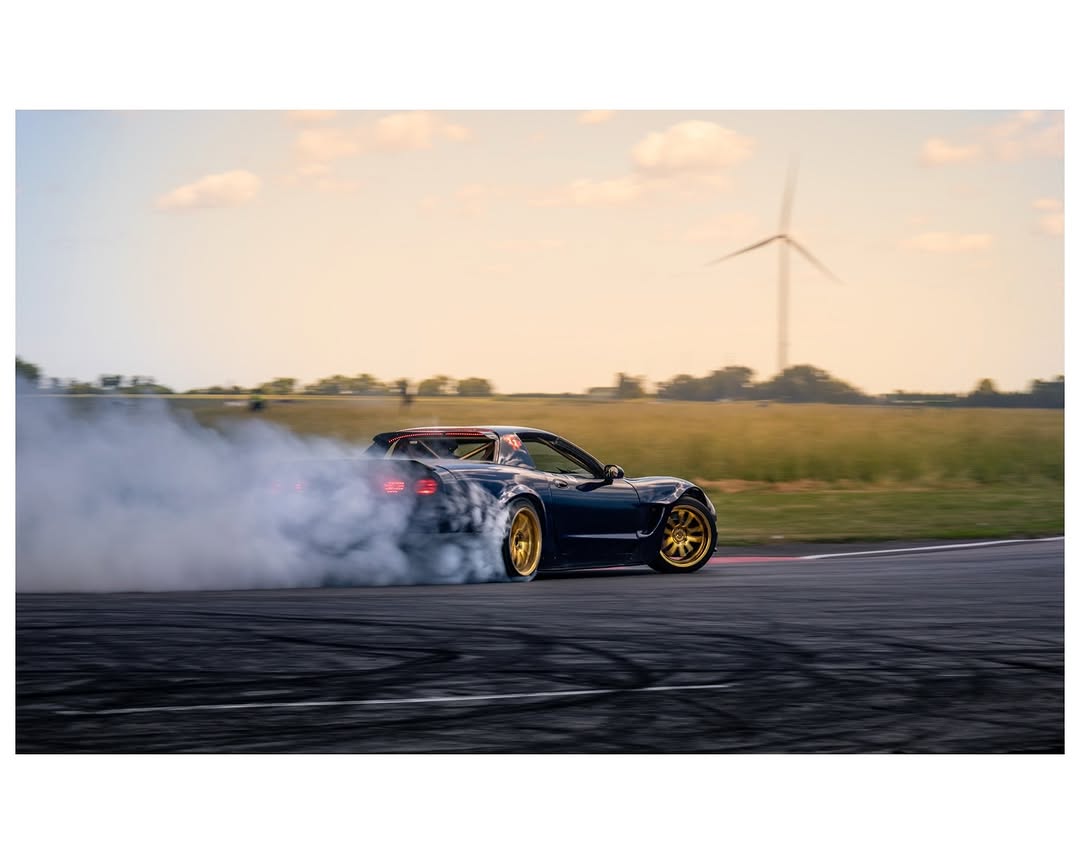
There is a distinct, visceral magic when a rear-wheel-drive machine initiates a slide, tires screaming against the asphalt while thick plumes of vaporized rubber billow into the crisp air. Capturing this precise moment of controlled chaos requires more than just a quick shutter finger. At Price Lewis Media, we specialize in high-speed automotive art, providing some of the most compelling Action & Drift Photography Ontario, Canada has to offer. Whether you are tearing up the tarmac at Shannonville Motor Speedway or sliding through local exhibition tracks, our mission is to freeze those fleeting split-seconds of mechanical adrenaline into timeless pieces of visual history.
As local specialists, we understand that drift photography is an art form of anticipation. It is about knowing the line the driver will take, understanding the weight transfer of the chassis, and recognizing how the afternoon sun will illuminate the tire smoke. Below, we answer the top questions we receive from drivers, event organizers, and fans about how we capture the beautiful grit of drift culture.
## How do you capture sharp drift photos when cars are moving at high velocities?
Capturing a drift car with pin-sharp clarity while retaining the raw sensation of speed is a delicate balancing act. If we use a shutter speed that is too fast, the car looks like it is parked on the track; the wheels freeze, and the energy of the slide is lost. If the shutter is too slow, the entire image becomes a blurry mess.
To master this, our team relies on advanced panning techniques. We match the physical movement of our cameras with the angular velocity of your vehicle as it sweeps past a clipping point. We often shoot at shutter speeds between 1/30th and 1/80th of a second. This keeps the main body of the car—especially the driver's helmet and the front grille—tack-sharp, while the wheels blur into a beautiful spin and the track background melts into streaks of speed. It is a highly physical process that requires steady hands, a fluid stance, and deep familiarity with track layout.
## What Ontario weather conditions present the biggest challenges for drift photography?
Ontario's seasonal shifts play a massive role in how we approach our craft. Each season brings unique atmospheric elements that dramatically alter the visual outcome of a shoot.
* **The Heavy Summer Humidity:** During peak summer events at locations like Toronto Motorsports Park in Cayuga, the heavy, humid air holds tire smoke close to the ground. This creates dense, dramatic clouds that linger on the track, offering incredible opportunities for backlit atmospheric shots. However, the midday sun can be harsh, creating deep shadows under spoilers and within wheel wells. We combat this by focusing on low-angle compositions and capitalizing on the golden hour just before dusk.
* **The Crisp Autumn Air:** Fall drift events offer crisp air that helps engines run cool but makes tire warm-up difficult. From an aesthetic perspective, the cooler temperatures create beautiful exhaust condensation that mixes with tire smoke, adding extra layers of texture to the images. The golden foliage surrounding tracks like Grand Bend Motorplex also provides a stunning, colorful backdrop that contrasts beautifully with the industrial look of drift cars.
## How do track safety and logistics influence your shooting angles?
Safety is our absolute priority, but it also forces us to be highly creative with our compositions. We never compromise on safety boundaries; instead, we use specialized gear and smart positioning to get close to the action.
Before any event, our team coordinates with track marshals and organizers to identify designated media zones. We use professional telephoto lenses, such as 70-200mm and 100-400mm focal lengths, which allow us to capture tight, emotional details of the driver behind the wheel from a safe distance. We look for elevated vantage points or positions near the initiation points where we can compress the perspective. This compression makes the car appear as though it is bursting out of its own smoke trail, right toward the viewer's eyes.
## Why is capturing the "clipping point" so critical in drift photography?
In drifting, a clipping point is a designated spot on the track where drivers must get the nose or tail of their car as close as possible to the edge of the asphalt or a barrier. From a photography standpoint, this is where the maximum tension exists.
When we frame a shot around a clipping point, we are capturing the peak of the driver's skill and commitment. We position ourselves to capture the millimetre-level gap between a rear bumper and a concrete wall. These images are powerful because they tell a story of risk, precision, and spatial awareness. By focusing our lenses on these zones, we preserve the split-second decisions that separate a good run from a legendary one.
## How can drivers prepare their vehicles to get the best possible photos?
While our cameras do the heavy lifting, there are several simple steps drivers can take to ensure their custom builds look spectacular on camera:
* **Clean Your Windshield:** This sounds basic, but dirty windshields catch the sun's glare, obscuring the driver's face and helmet. A clean windshield allows us to capture the intense focus in your eyes as you counter-steer.
* **Contrast Your Wheel Colors:** If you run aftermarket wheels, bright or high-contrast colors (like white, bronze, or silver) show wheel rotation beautifully when panned. Matte black wheels tend to disappear into the wheel arches during high-speed motion.
* **Keep Your Headlights On:** Even during bright daylight, having your headlights or LED running lights switched on adds a menacing, predatory look to the front end of the car, giving the image a sense of active purpose.
## Frequently Asked Questions
### Do you offer coverage for private track days and grassroots drift events in Ontario?
Yes, we regularly cover private track sessions, team practice days, and grassroots events across Ontario. We tailor our services to meet the specific needs of individual drivers or drift teams who want dedicated media coverage without the distraction of large public crowds.
### What is the turnaround time for receiving our edited action photos?
We understand the excitement of sharing track-day memories, so we prioritize a swift yet meticulous editing workflow. Clients typically receive a curated digital gallery of high-resolution, professionally color-graded images within 5 to 7 business days following the event.
### Can we book you for individual driver features during a public track event?
Absolutely. We offer dedicated driver packages where we focus our lenses exclusively on your car throughout the event. This includes paddock lifestyle shots, staging lane anticipation, and on-track action from multiple corners.
### How do you protect your camera equipment from track debris and tire smoke?
We protect our gear using high-grade protective filters, weather-sealed camera bodies, and specialized lens wraps. After every session, we perform a thorough cleaning to remove abrasive track dust, rubber particles, and moisture, ensuring our equipment remains in peak performing condition.
***
If you are ready to capture the raw energy, burning rubber, and artistic precision of your next track session, our team is here to bring your vision to life. Contact Price Lewis Media in Ontario, Canada, to schedule your custom action session or secure professional coverage for your next event. Let's preserve your mechanical passion in stunning, high-definition art.